
Double Opt-In vs Single Opt-In: What Each One Proves
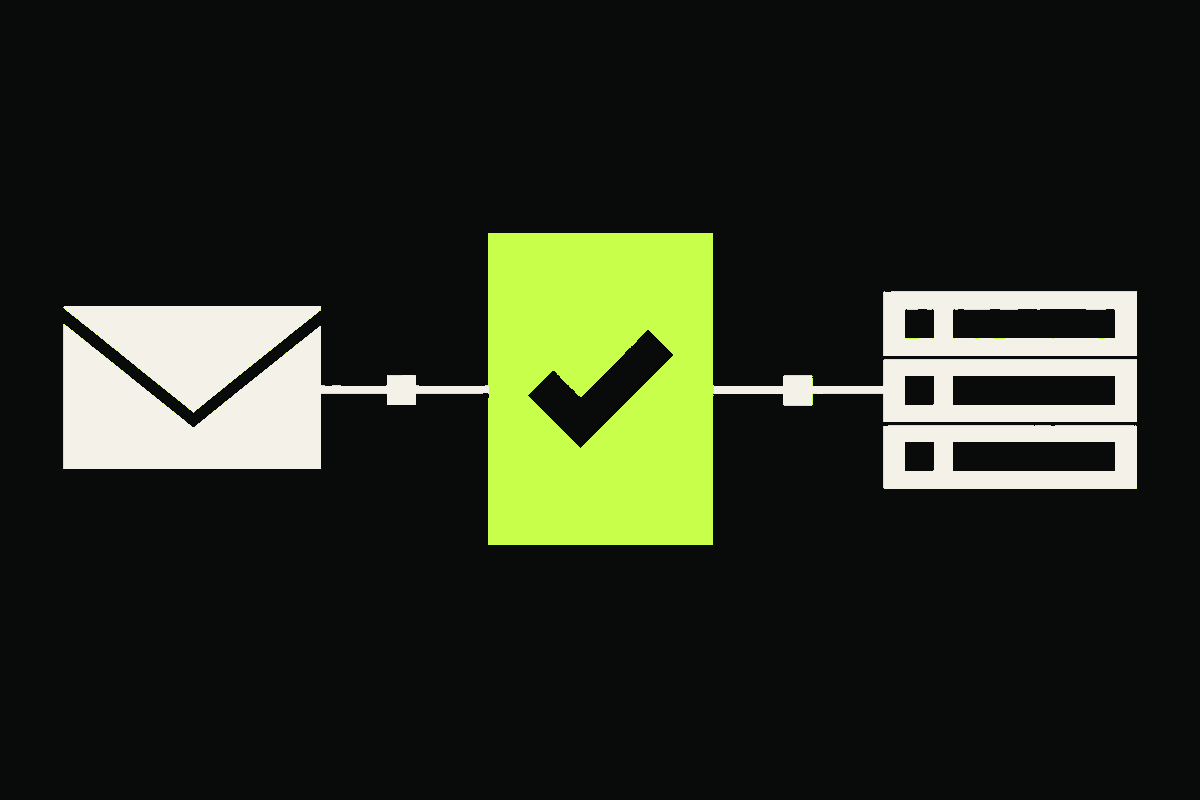
Single opt-in adds an address to a subscription as soon as someone submits a form. Double opt-in keeps that address pending until a person acts on a confirmation message. For newsletters and other ongoing subscription mail, I would default to double opt-in.
The distinction is about evidence. Single opt-in shows that a form accepted an address. Double opt-in adds evidence that someone who could receive the confirmation message chose to activate that specific subscription. Neither method proves a person’s real-world identity, guarantees future delivery, or makes every message wanted forever.
What is the difference between single and double opt-in?
M3AAWG uses the term confirmed opt-in for what many teams call double opt-in or closed-loop subscription. Its current Sender Best Common Practices separates three levels: single opt-in, single opt-in with a notification, and confirmed opt-in.
| Method | When the subscription becomes active | Evidence you have | Main weakness |
|---|---|---|---|
| Single opt-in | Immediately after form submission | An address was submitted with the displayed consent choice | A typo or forged submission can enter the active list |
| Single opt-in with notification | Immediately after form submission | The same submission evidence, plus a notice sent to the address | The recipient still did not confirm the subscription |
| Double opt-in | Only after a confirmation action | The submission plus an affirmative action through the destination inbox or its forwarding path | The extra step can be missed, delayed, or abused to send confirmation mail |
Google’s email subscription guidelines call this double consent and tell senders to have recipients confirm their address before subscription messages begin. That is practical deliverability guidance, not a universal statement about the law. Consent rules vary by jurisdiction and use case.
What does the confirmation click actually prove?
It proves a narrow but useful fact: someone with access to the message performed the requested action at that time for that list.
It does not prove that the person who filled the form owns the mailbox. The address could forward elsewhere, belong to a team, or sit in a shared inbox. It also does not prove that later campaigns will reach the inbox. Mailbox state, filtering, recipient interest, and permission can all change.
This boundary matters because teams often compress several questions into one Boolean called verified. I keep them separate:
- Address evidence: Does the syntax, domain, mail routing, and available mailbox evidence look usable?
- Confirmation evidence: Did someone act through the destination inbox?
- Consent evidence: What list and message purpose did the person affirm?
- Send permission: Is that scoped consent still active, with no applicable unsubscribe, complaint, or destination failure?
Our guide to validation, verification, and confirmation explains the first three layers in more detail. The short version is that no one layer replaces the others.
Where should email verification run?
Run address validation or verification before you spend a confirmation send, but do not treat the result as consent.
A check can catch malformed input, domains that cannot receive mail, known disposable providers, and other useful signals. The emailverifier.dev API keeps deliverable, risky, undeliverable, and unknown outcomes separate. Your policy can block a confirmed failure, review a risk signal, and retry an inconclusive result.
A deliverable response is still not permission to subscribe the address. It is only current address evidence. The confirmation action is what should move a pending subscription into the active list.
How should the subscription state work?
Do not insert form submissions directly into the sendable audience. Create a list-scoped pending record first.
{
  "subscriber_id": "sub_01J_EXAMPLE",
  "email": "reader@example.com",
  "list_id": "product-updates",
  "state": "pending_confirmation",
  "consent_version": "product-updates-v3",
  "source": "/pricing",
  "submitted_at": "2026-09-12T03:30:00Z",
  "confirmed_at": null
}
This is a hypothetical record. The identifier and address are examples.
The safe transition is small:
- The form records the list, disclosure version, source, and submission time.
- Your server applies syntax checks, address policy, and abuse controls.
- The address enters
pending_confirmation. It is not eligible for subscription campaigns. - A single-use, expiring token identifies the pending record without exposing the email address in the URL.
- Successful redemption atomically changes that record to
activeand recordsconfirmed_at.
Make redemption idempotent. A second click should show the same safe outcome, not create a second subscription or fail with a confusing error. Store a hash of the token rather than the token itself. Our secure verification-link guide covers token entropy, expiry, hashing, and atomic redemption.
Does double opt-in stop list bombing?
No. This is the strongest fair objection to the usual “just add confirmation” advice.
Double opt-in prevents an unconfirmed address from joining ongoing mailings. It does not prevent an attacker from submitting a victim’s address to many forms and causing each site to send a confirmation message. M3AAWG describes this as list bombing.
The confirmation sender needs its own abuse budget. I would apply decisions at four scopes:
| Scope | Signal | Safe response |
|---|---|---|
| Address + list | A pending request already exists | Reuse the pending record and enforce a resend cooldown |
| Address across lists | One destination is entered into several forms quickly | Delay or challenge further sends and alert on the pattern |
| IP or session | One source submits many destination addresses | Slow the source, require a challenge, or block it |
| Site-wide | Confirmation volume departs sharply from the normal flow | Queue, cap, or temporarily pause confirmation emission |
Return the same public response whether an address is active, pending, suppressed, or new. That avoids turning the form into an account or subscription enumeration endpoint.
A fixed numeric limit is rarely portable. A small newsletter and a global product have different traffic. The durable rule is to deduplicate first, rate-limit at more than one scope, and preserve enough reason data to tell an ordinary resend from a coordinated spike.
What should happen to active, expired, and unsubscribed records?
State precedence matters more than the happy path.
- Already active: Keep the public response generic. Do not create a duplicate subscription or send an unnecessary confirmation.
- Still pending: Keep the same record and apply your resend policy. Repeated form posts should not create unlimited messages.
- Expired: A new explicit request may create a fresh pending token after the abuse checks pass.
- Unsubscribed or complained: Do not let a verification result or background import silently reactivate the subscription. Require a fresh, explicit, list-scoped request under your policy.
- Destination failure: Preserve the delivery evidence separately. A later confirmation request does not erase a known mailbox failure by itself.
This is why I prefer an event-backed suppression model over one mutable subscribed flag.
What evidence should you retain?
Keep enough to explain the subscription without turning the record into a surveillance log:
- the address and list identifier;
- the time and source of the request;
- the consent text or version shown at collection;
- the confirmation time and method;
- the verification snapshot, stored as separate address evidence;
- later unsubscribe, complaint, and delivery events with their scopes.
M3AAWG recommends retaining collection context such as the source, timestamp, disclosure language, and relevant policy version. Retention and privacy requirements vary, so collect deliberately and set a deletion schedule instead of keeping every raw request forever.
Is the extra confirmation step worth it?
It does add friction. Some people who intended to subscribe will not complete it.
But raw form submissions are the wrong success metric. A single-opt-in list can look larger because it includes typos, forged submissions, and addresses that never affirmed the list. Compare confirmed readers, complaint patterns, and useful engagement instead of celebrating every inserted row.
My default is simple: use double opt-in for ongoing subscription mail, keep the address pending until confirmation, verify the address as a separate preflight signal, and rate-limit the confirmation channel itself. That gives each piece of evidence exactly the authority it earned.